Welcome~WENZHOU AGATHA ELECTRIC TECHNOLOGY CO.,LTD. +86 181 0676 0793 /+86 137 3673 1592 511285864@qq.com
The Ultimate Guide to Wall Switch & Socket Materials: PC vs. ABS, How to Make the Best Choice for Your Customers
10/21/20254 min read
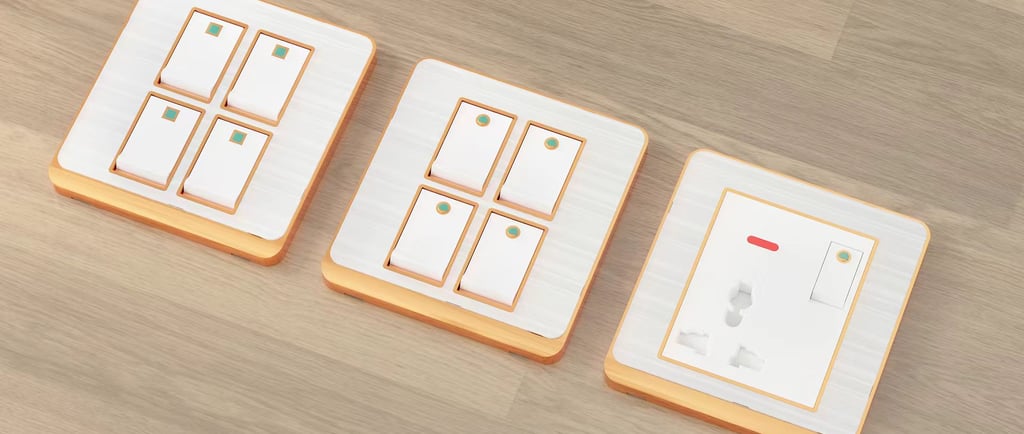
Understanding Wall Switch & Socket Materials
Wall switches and sockets are fundamental components of electrical systems, serving as critical interfaces for controlling and distributing electrical power. When it comes to their construction, the choice of material plays a significant role in determining the overall quality, durability, and safety of these electrical accessories. Two of the most commonly used materials in the production of wall switches and sockets are Polycarbonate (PC) and Acrylonitrile Butadiene Styrene (ABS).
Polycarbonate, known for its robustness, is a thermoplastic polymer exhibiting excellent impact resistance and thermal stability. This material can withstand significant stress without cracking or breaking, making it ideal for high-traffic areas where switches and sockets may be subject to frequent use. Additionally, PC is inherently flame-retardant, offering heightened safety in the event of electrical faults. Its transparency also allows for a sleek, modern design, appealing to consumers looking for aesthetic appeal alongside functionality.
On the other hand, Acrylonitrile Butadiene Styrene (ABS) is another prevalent choice for electrical accessories. This thermoplastic is notable for its strong resistance to impact and its superior hardness. ABS is often preferred for its lightweight nature, making installation easier and reducing potential load on fittings. However, while it is generally less expensive than PC, ABS may not always offer the same level of heat resistance and may deform under extreme temperatures.
The advantages and disadvantages of these materials are crucial for manufacturers and consumers alike. Understanding these properties allows for informed decisions when selecting wall switches and sockets, ensuring that the products not only meet safety standards but also provide longevity and reliability. Thus, comprehending the distinctions between Polycarbonate and ABS can significantly influence material selection, directly impacting the performance and safety of electrical installations.
Comparison of PC and ABS Materials
When selecting materials for wall switches and sockets, two common options are polycarbonate (PC) and acrylonitrile butadiene styrene (ABS). Each material has distinct properties that cater to various needs and preferences.
Polycarbonate is celebrated for its exceptional durability and high heat resistance. The glass transition temperature of PC is significantly higher than that of ABS, which allows it to remain stable under thermal stress. This durability extends to impact resistance, making polycarbonate a preferred choice in environments where switches and sockets may be subjected to physical stress or accidental impacts.
In terms of flammability, polycarbonate typically exhibits superior ratings, ensuring a higher safety standard in residential and commercial applications. This property is particularly crucial in settings where electrical appliances are frequently in use. On the other hand, while ABS also offers reasonable durability, its lower heat resistance and flammability rating may not be suitable for high-risk areas.
Aesthetically, both materials can be manufactured in various styles and finishes. PC can achieve a glossy appearance, which often appeals to modern consumers, while ABS provides a more matte finish that can fit traditional design aesthetics. The choice between these materials may ultimately depend on the desired visual appeal of the installation.
Electrical insulation properties are vital for the safe operation of wall switches and sockets. Polycarbonate generally offers better insulation, reducing the risk of electrical accidents. This characteristic, combined with its physical attributes, positions PC as a robust choice for high-performance applications.
In conclusion, both PC and ABS have unique benefits that cater to specific applications. By understanding their differences in durability, heat resistance, impact resistance, aesthetic appeal, and electrical insulation properties, consumers can make informed decisions that align with their needs and preferences.
Factors to Consider When Choosing Switch and Socket Materials for Your Customers
Selecting the appropriate materials for wall switches and sockets is a critical decision that directly impacts customer satisfaction and product performance. Several factors must be evaluated to ensure the right choice aligns with customer needs and expectations. Firstly, the installation environment plays a significant role in determining material suitability. For example, areas prone to moisture or high temperatures may require materials like PC (polycarbonate) that offer enhanced durability and resistance to environmental factors. Conversely, ABS (acrylonitrile butadiene styrene) may be more appropriate for dry, controlled environments.
Another important consideration is the expected usage frequency of the switches and sockets. Products that will be used frequently should be robust and capable of enduring constant use without significant wear. Therefore, materials that exhibit higher tensile strength and impact resistance are advisable. Additionally, the design preferences of customers should not be overlooked. Aesthetic appeal can often influence choice; thus, providing options in both PC and ABS materials that cater to varying styles can enhance customer satisfaction.
Budget constraints are also a pivotal element in material selection. It is essential to offer a range of options that accommodate diverse financial experiences while ensuring that lower-cost alternatives do not compromise safety and functionality. When addressing these considerations, aligning product features with customer expectations is paramount. This involves understanding the specific needs of your clientele and facilitating a dialogue to clarify their requirements.
Finally, offering practical tips and insights can assist customers in making informed choices. Providing educational materials or consultations can empower customers to select the most suitable wall switch and socket materials, ultimately promoting satisfaction and fostering long-term relationships. By taking into account these critical factors, suppliers can help customers enjoy enhanced utility and durability in their electrical fittings.
Making the Best Choice: Recommendations and Conclusion
When it comes to selecting materials for wall switches and sockets, the decision between polycarbonate (PC) and acrylonitrile butadiene styrene (ABS) hinges on various factors including durability, aesthetic appeal, and temperature resistance. Retailers and electricians should consider specific customer needs and market trends to guide their choices, ensuring both functionality and satisfaction.
One of the primary recommendations is to evaluate the environment in which the electrical accessories will be installed. In high-traffic areas or locations subjected to harsher conditions, like kitchens and workshops, polycarbonate is often preferable due to its superior impact resistance and overall durability. On the other hand, ABS may be more suitable for residential applications where exposure to extreme elements is minimal. The versatility of ABS allows for cost-effective solutions without compromising essential standards.
Another critical aspect to consider is the aesthetic preference of the customers. PC materials typically offer a smoother finish, contributing to a more modern appearance, whereas ABS comes in various colors and textures, potentially aligning more closely with traditional décor styles. Retailers should maintain an inventory that reflects these design preferences to accommodate a wider range of clientele.
Educating customers about the thermal and electrical efficiency of each material can also empower them to make informed choices. PC's resistance to fading and degradation under intense heat makes it a reliable option for long-term usage, while ABS, with its lower melting point, may present risks in high-temperature settings. Therefore, providing clear comparisons and guidance can greatly influence purchasing decisions.
In conclusion, making an informed choice between PC and ABS materials involves a comprehensive understanding of the specific needs and environments of customers. By considering durability, aesthetics, and the intended use of the electrical accessories, retailers and electricians can enhance customer satisfaction and build lasting trust in their expertise.